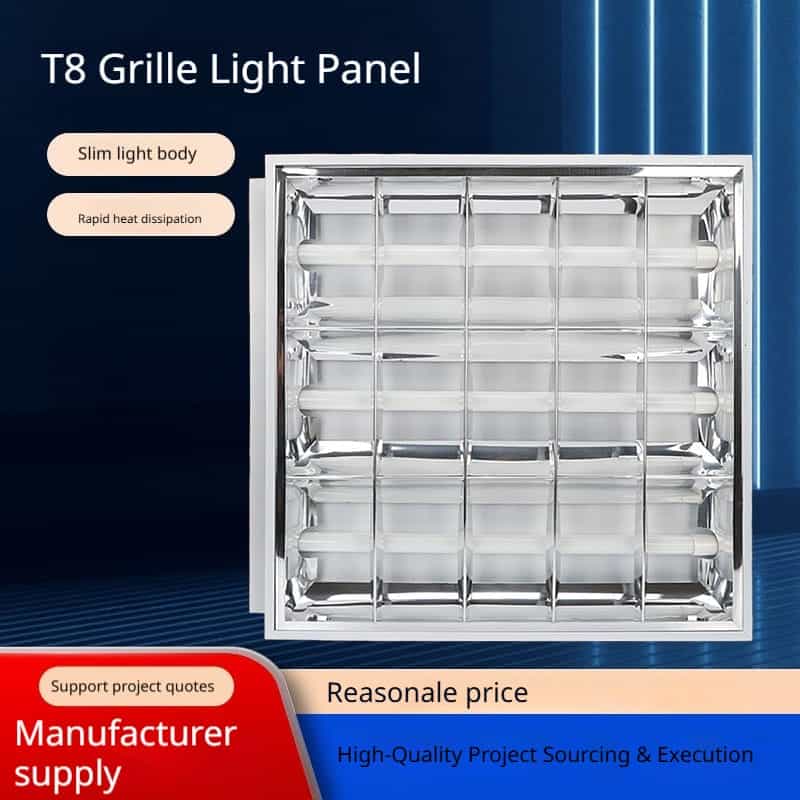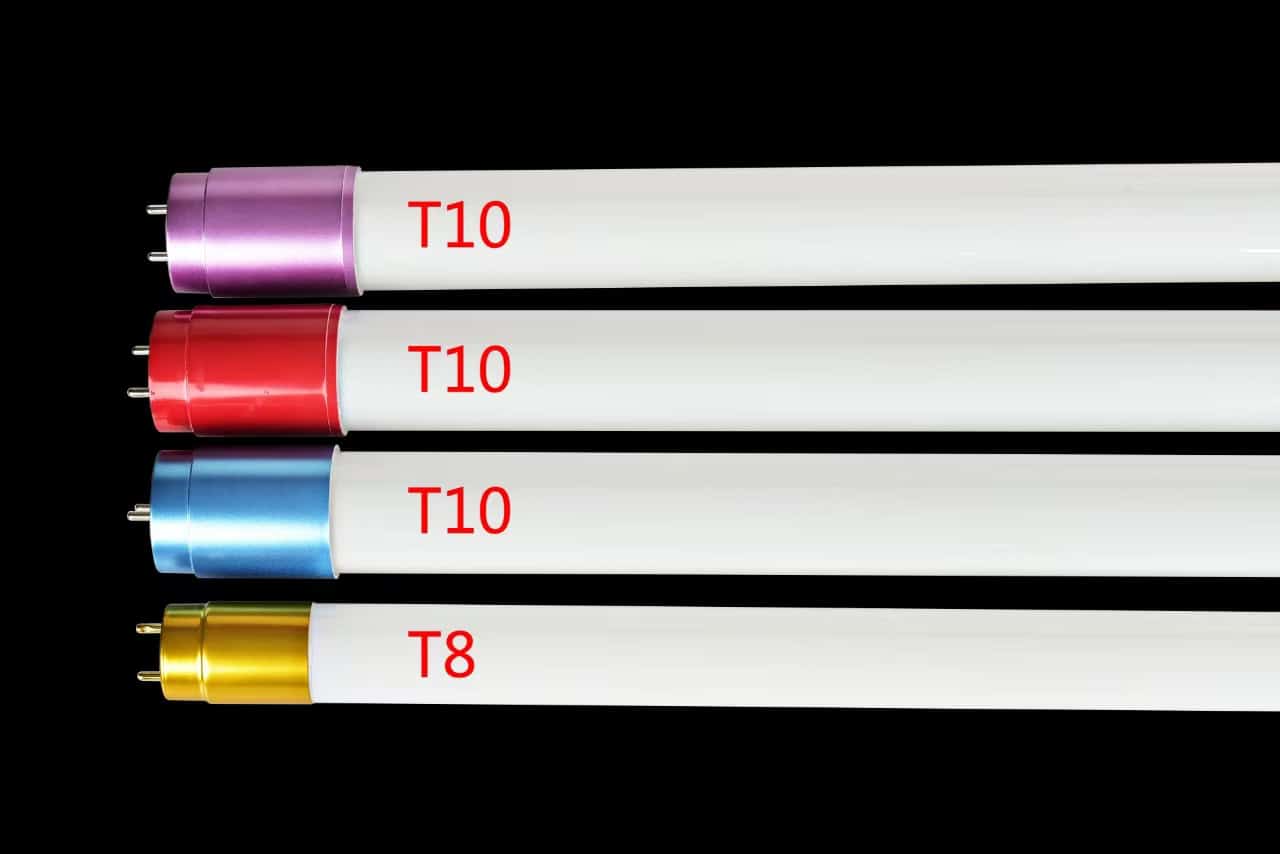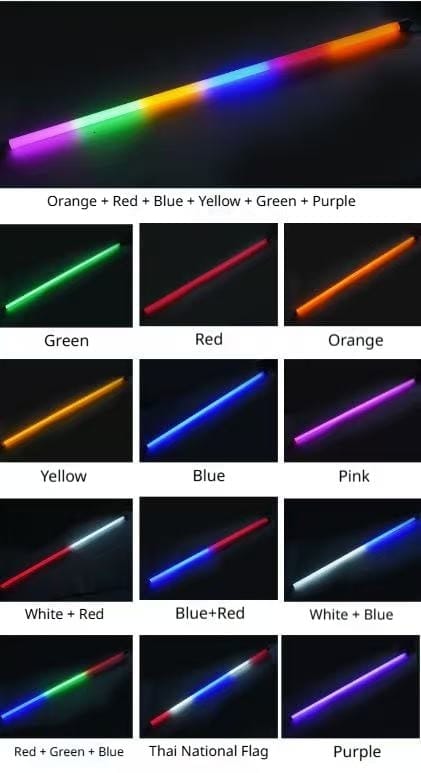
Learn how LED tube replacements help South African businesses save energy. They reduce ballast issues and improve commercial lighting performance.

Table of Contents
LED Fluorescent Tube Replacement Guide for South African Commercial Lighting Projects
LED fluorescent tube replacement is becoming an important choice for many businesses in South Africa.
In 2026, companies are facing higher electricity costs, stricter lighting rules, and unstable power supply. For offices, retail shops, warehouses, factories, and commercial buildings, old fluorescent tubes are no longer the best lighting option.
Replacing fluorescent tubes with LED tubes can help businesses save energy, lower maintenance costs, and improve lighting quality. It can also reduce problems caused by old ballasts and unstable voltage.
This guide explains why LED fluorescent tube replacement is useful for South African commercial projects. It also explains fluorescent light ballast replacement and fluorescent light LED replacement in simple words.
Why LED Fluorescent Tube Replacement Matters in 2026
South African businesses are under more pressure than before. Electricity prices are rising, lighting rules are changing, and power supply is still not stable in many areas.
For businesses that use many fluorescent tubes every day, lighting cost can become a serious problem.
Higher Electricity Costs Increase Business Pressure
New Lighting Rules Push Businesses to Use Efficient Lights
Unstable Power Supply Makes LED Lighting More Useful
What Is LED Fluorescent Tube Replacement?
LED fluorescent tube replacement means changing old fluorescent tubes to LED tubes.
In many cases, the LED tube can fit into the existing light fixture. But the installation method depends on the ballast and wiring.
Some LED tubes can work with electronic ballasts. Some LED tubes require you to remove the ballast.
Before replacing the tubes, businesses should check the current lighting system carefully.
Fluorescent Light Ballast Replacement: What You Need to Know
A ballast is an electrical part inside many fluorescent light systems. It helps control the current for the fluorescent tube.
Over time, ballasts can become old, noisy, hot, or damaged. They can also waste extra power.
When doing fluorescent light ballast replacement, businesses usually have two choices.
Some LED tubes are ballast-compatible. This means they can work with the existing electronic ballast.
This method is simple and fast.
The installer can remove the old fluorescent tube and install the LED tube directly.
This is useful for small offices, shops, and quick replacement projects.
However, the old ballast may still use some power. It may also fail later.
For better long-term savings, many projects remove the ballast.
After removing the ballast, the LED tube connects directly to mains power.
This method can save more energy because the ballast no longer consumes power.
It also reduces future maintenance problems.
For large warehouses, factories, and commercial buildings, ballast removal is often a better choice.
Old Magnetic Ballasts Should Usually Be Removed
Some old lighting systems still use magnetic ballasts.
These ballasts are less efficient. They can produce heat and may reduce the life of LED tubes.
For this reason, experts usually recommend removing old magnetic ballasts.
Fluorescent Light LED Replacement Benefits for Businesses
Fluorescent light LED replacement brings many benefits to commercial projects.
Saving electricity is not the only concern. It also improves safety, lighting quality, and maintenance.
- 1. Lower Energy Use
- 2. Longer Lifespan
- 3. Less Maintenance
- 4.Better Light Quality
- 5.Safer and More Eco-Friendly
LED tubes use less power than fluorescent tubes.
This is one of the biggest reasons businesses choose LED replacement.
Lower energy use means lower monthly electricity bills.
For large lighting projects, this saving can be very important.
LED tubes can last much longer than fluorescent tubes.
A good LED tube may last more than 30,000 hours.
This means fewer replacements and lower labor costs.
This is a practical choice for high ceilings, warehouses, and factories, where light replacement can take more time and cost more.
Fluorescent systems often need tube replacement and ballast repair.
LED tubes reduce these problems.
You can remove the ballast to make the system simpler. Fewer parts mean fewer failures.
This helps businesses reduce maintenance work.
LED tubes can provide stable and bright light.
Many LED tubes have CRI 80 or higher. This helps people see colors more clearly.
This is useful for offices, shops, warehouses, production areas, and inspection areas.
Fluorescent tubes may contain mercury. Mercury is harmful to people and the environment.
LED tubes do not contain mercury.
This makes LED tubes safer to use and easier to handle after replacement.
How to Plan an LED Fluorescent Tube Replacement Project
A successful LED tube replacement project needs a clear plan.
Businesses should not only buy LED tubes directly. They should first check the site and choose the right installation method.
Before replacement, check the current lighting system.
You should record:
How many fluorescent tubes are used
Tube type, such as T8 or T5
Tube wattage, such as 40W or 28W
Ballast type
Daily working hours
Installation height
Lighting area
This information helps calculate energy savings and product quantity.
For South African commercial projects, LED tubes should be safe, efficient, and suitable for unstable power conditions.
Recommended features include:
High light efficiency, such as 110 lm/W or higher
Wide voltage input, such as 85V–265V AC
CRI 80 or higher
Good heat dissipation
Suitable color temperature
Proper certification for the local market
For offices, 4000K neutral white is often comfortable.
For warehouses and factories, 5000K or 6500K cool white may be better.
The ballast decision is very important.
For quick projects, ballast-compatible LED tubes may save installation time.
For long-term savings, ballast bypass LED tubes are usually better.
If the project is large, such as a factory or warehouse, removing the ballast can reduce power waste and future repair costs.
LED tube replacement should be done safely.
You must turn off the power before installation..
A qualified electrician should check the wiring and make sure the installation follows local electrical rules.
This is especially important for high ceilings, warehouses, and industrial areas.
After installation, the project should be checked carefully.
Important checks include:
Whether all LED tubes work well
Whether the light is bright enough
Whether the lighting is even
Whether the tubes are installed firmly
Whether the wiring is safe
Whether the voltage is stable
Businesses should also keep product documents and installation records.
Where LED Tube Replacement Is Commonly Used
LED fluorescent tube replacement is suitable for many commercial and industrial places.
Common Mistakes to Avoid During LED Tube Replacement
Many lighting problems happen because of poor product choice or wrong installation.
1). Choosing Cheap Low-Quality LED Tubes
Very cheap LED tubes may have poor drivers, low brightness, or short lifespan.
For commercial projects, quality is more important than the lowest price.
2). Ignoring the Ballast Type
Not all LED tubes work with all ballasts.
Before buying LED tubes, always check whether the product is ballast-compatible or ballast-bypass.
3). Using the Wrong Color Temperature
Different areas need different color temperatures.
Warm white may not be bright enough for warehouses.
Cool white may feel too cold for offices or retail spaces.
A. Can LED tubes replace fluorescent tubes directly?
B. Is fluorescent light ballast replacement always needed?
C. What is the best LED tube for commercial projects?
D. How much energy can LED tubes save?
E. Are LED tubes suitable for warehouses?
Conclusion: LED Fluorescent Tube Replacement Is a Smart Upgrade
LED fluorescent tube replacement is a practical solution for South African commercial lighting projects.
It helps businesses reduce electricity costs, improve lighting quality, and lower maintenance problems.
It also helps solve common issues related to fluorescent light ballast replacement.
For offices, shops, warehouses, and factories, fluorescent light LED replacement can bring long-term value.
Before the project starts, check the old lights, choose the right LED tubes, and use a qualified installation team.
With the right plan, LED tube replacement can help businesses save money now and prepare for future lighting standards.
Ask for Inquiry
Welcome to inquiry, please kindly contact us. Whatsapp: +852 9830 4386