
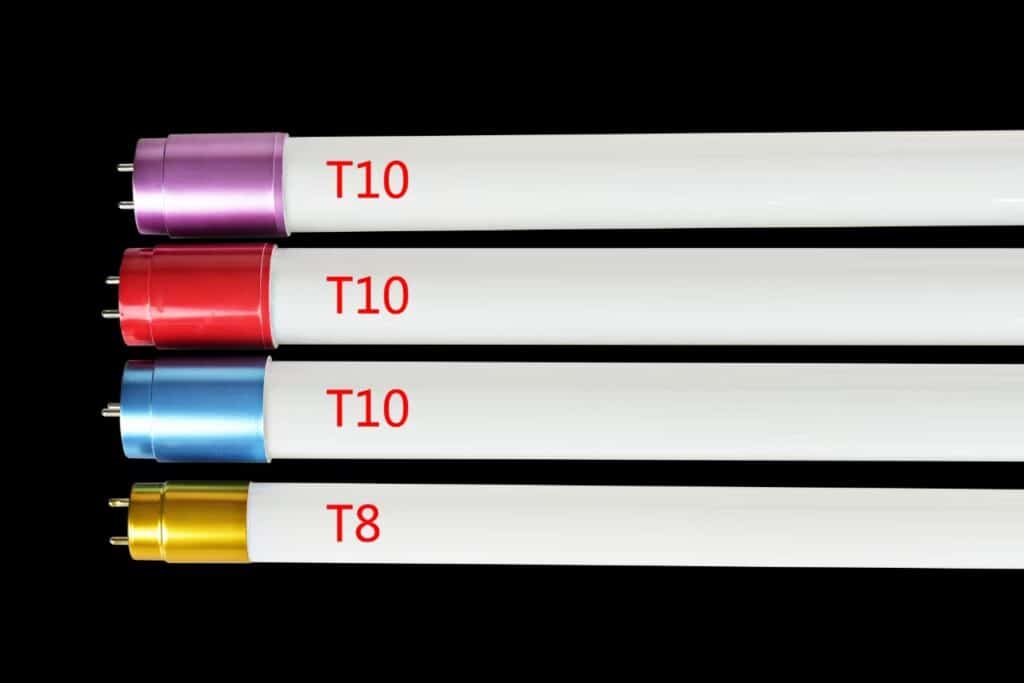
Lighting technology has evolved rapidly over the past decade, with LED solutions replacing traditional fluorescent lamps in many commercial and industrial environments. Among the various LED tube formats available today, the T10 LED glass tube has gained attention for its durability, brightness, and compatibility with traditional lighting fixtures.
Businesses, distributors, and project contractors are increasingly choosing T10 LED glass tubes as an energy-efficient replacement for conventional lighting systems. But what makes this lighting product stand out in the competitive LED market?
This article explores the key features, advantages, and applications of T10 LED glass tubes and why they remain a valuable lighting solution for modern infrastructure.
What Is a T10 LED Glass Tube?
A T10 LED glass tube is a type of LED tube light with a diameter of approximately 1.25 inches (32 mm), slightly larger than the standard T8 tube. The “T” stands for tubular shape, while the number represents the diameter in eighths of an inch.
Compared with traditional fluorescent tubes, LED glass tubes offer improved efficiency and a longer lifespan.
Typical features include:
Glass housing for high light transmission
Energy-efficient LED chips
Built-in LED driver
Long operational lifespan
Reduced heat generation
These characteristics make T10 LED tubes suitable for a wide range of lighting environments.
Why Choose a Glass Housing for LED Tubes?
One of the defining characteristics of the T10 LED tube is its glass construction.
Many modern LED tubes use plastic housings, but glass still offers several important advantages.
1. Higher Light Transmission
Glass materials allow light to pass through more effectively than many plastics. This results in brighter illumination and improved optical clarity.
2. Better Resistance to Yellowing
Plastic materials may degrade or discolor over time due to heat exposure. Glass maintains its transparency and appearance even after years of operation.
3. Improved Thermal Stability
Glass combined with internal aluminum structures can help manage heat more efficiently, protecting LED components and extending product lifespan.
Energy Efficiency Compared to Fluorescent Tubes
Energy efficiency remains one of the main reasons businesses upgrade to LED lighting.
A typical fluorescent tube consumes around 36W, while an equivalent LED tube can operate at 18W or lower while providing similar or higher brightness.
Benefits include:
Lower electricity consumption
Reduced operating costs
Lower carbon emissions
Improved sustainability performance
For large facilities such as warehouses or office buildings, switching to LED tubes can significantly reduce annual energy expenses.
Common Lengths and Specifications
T10 LED glass tubes are typically available in multiple sizes to meet different lighting requirements.
Common lengths include:
2FT (600 mm)
4FT (1200 mm)
Typical specifications may include:
Power: 70W
Color temperature: 3000K / 4000K / 6500K
Beam angle: 180° – 270°
Lifespan: up to 30,000 hours
Different specifications allow lighting designers and distributors to choose the most suitable configuration for each project.
Applications of T10 LED Glass Tubes
Because of their high brightness and reliability, T10 LED tubes are widely used across many industries.
Commercial Buildings
Offices and commercial facilities require consistent lighting to support productivity. LED tubes provide uniform illumination while reducing energy consumption.
Industrial Facilities
Factories and warehouses often operate lighting systems for long hours. Durable LED tubes help minimize maintenance and downtime.
Retail Stores
Retail environments benefit from bright, clear lighting that enhances product visibility and creates a comfortable shopping experience.
Educational Institutions
Schools and universities require stable, flicker-free lighting to support reading and learning activities.
Parking Areas and Public Spaces
LED tubes are also commonly installed in parking garages, corridors, and public infrastructure projects.
Key Factors When Choosing a T10 LED Glass Tube
When sourcing LED lighting products, buyers should carefully evaluate several technical aspects.
LED Chip Quality
High-quality LED chips ensure better brightness, higher efficiency, and longer lifespan.
Driver Stability
A reliable LED driver ensures stable current and prevents flickering.
Certification and Compliance
For international trade, certifications such as CE and RoHS ensure compliance with safety and environmental regulations.
Heat Dissipation Design
Proper thermal management protects internal components and improves durability.
Benefits for Distributors and Lighting Wholesalers
For distributors and wholesalers, the T10 LED glass tube offers several business advantages.
Mature production technology
Stable global demand
Competitive wholesale pricing
Easy logistics and packaging
Because LED tube retrofits are common in many countries, demand for reliable tube lighting products remains steady.
This makes T10 LED tubes a practical addition to any lighting product portfolio.
Market Trends in LED Tube Lighting
The LED lighting industry continues to evolve, but retrofit solutions remain essential.
Millions of buildings worldwide still use fluorescent fixtures. Replacing entire lighting systems can be expensive and time-consuming.
LED tubes offer a practical upgrade path by allowing businesses to:
Maintain existing fixtures
Improve energy efficiency
Reduce maintenance costs
This retrofit advantage ensures long-term demand for LED tube lighting products.
Sustainability and Environmental Benefits
Another major advantage of LED lighting is environmental impact.
Traditional fluorescent lamps contain mercury, which requires special disposal procedures.
LED tubes are mercury-free and more environmentally friendly.
Additional sustainability benefits include:
Lower power consumption
Reduced greenhouse gas emissions
Longer replacement cycles
Many organizations adopt LED lighting upgrades as part of their sustainability initiatives.
The Future of LED Tube Lighting
Although new lighting formats such as panel lights and smart systems are growing in popularity, LED tube lighting remains relevant.
The reasons are simple:
Massive installed base of fluorescent fixtures
Cost-effective retrofit solutions
Simple installation
Reliable performance
Manufacturers continue improving LED tubes with better drivers, higher efficiency chips, and improved thermal design.
These improvements ensure LED tube lighting will remain a valuable part of the global lighting industry.
Conclusion
The T10 LED glass tube represents a practical and efficient lighting solution for commercial, industrial, and public environments. With strong brightness, durable glass construction, and excellent energy efficiency, it continues to be a reliable upgrade from traditional fluorescent lighting.
For distributors, contractors, and facility managers, choosing high-quality LED tubes can significantly reduce energy costs while improving lighting performance.
As global demand for energy-efficient lighting grows, T10 LED glass tubes will continue to play an important role in modern lighting infrastructure.
