
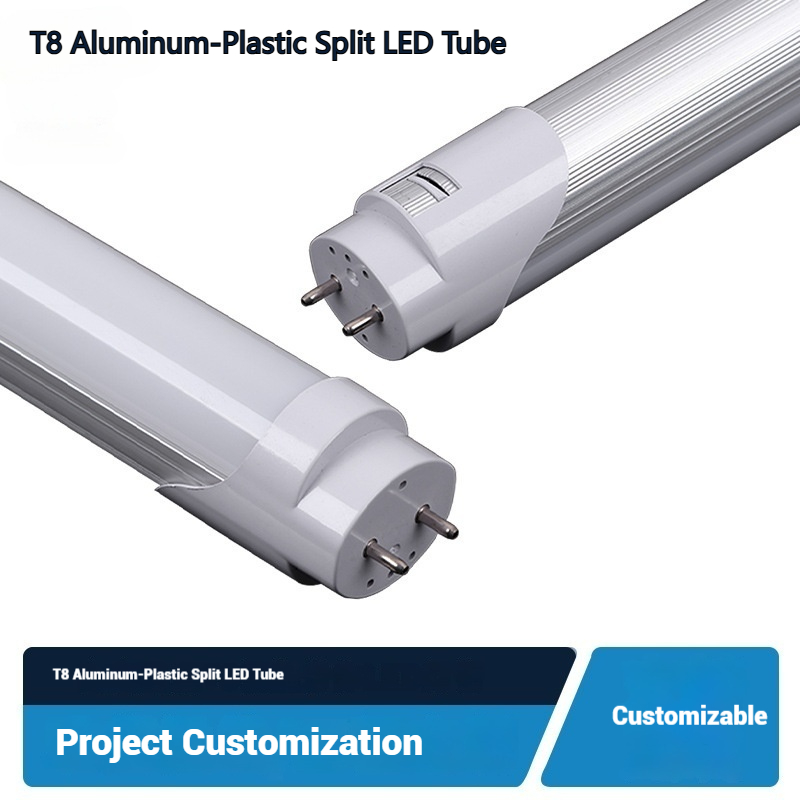
The phase-out of fluorescent lighting across Europe has accelerated the demand for reliable T8 fluorescent tube replacement solutions. With increasing energy costs and strict environmental regulations, businesses are actively replacing traditional fluorescent tubes with energy-efficient LED T8 alternatives.
Whether you manage office buildings, retail stores, schools, or industrial facilities, understanding how to replace T8 fluorescent tubes correctly is essential for safety, compliance, and long-term savings.
This comprehensive guide explains everything you need to know about T8 fluorescent tube replacement, including compatibility, installation methods, energy savings, and regulatory considerations for the European market.
Why Replace T8 Fluorescent Tubes?
Traditional T8 fluorescent tubes have been widely used for decades. However, they present several disadvantages:
Contain mercury (environmental hazard)
Shorter lifespan
Flicker and slow start issues
Higher maintenance costs
Ballast failure risk
Across Europe, environmental directives are pushing for the elimination of mercury-containing lamps. As a result, LED T8 tubes have become the primary fluorescent replacement solution.
LED T8 vs Fluorescent T8: Performance Comparison
| Feature | Fluorescent T8 | LED T8 Replacement |
|---|---|---|
| Power Consumption | 36W | 18W |
| Lifespan | 8,000–12,000h | 30,000–50,000h |
| Maintenance | Frequent | Minimal |
| Start Time | Delay/Flicker | Instant |
| Mercury | Yes | No |
A typical 18W LED T8 tube can replace a 36W fluorescent tube while providing equal or higher brightness.
This translates into energy savings of approximately 50% per fixture.
Types of T8 Fluorescent Tube Replacement
Understanding installation type is critical before purchasing.
1. Ballast Compatible (Plug & Play)
These LED tubes work with existing electronic ballasts.
Advantages:
No rewiring required
Quick installation
Considerations:
Compatibility must be verified
Slight efficiency loss due to ballast
Best for quick retrofit projects.
2. Direct Wire (Ballast Bypass)
The ballast is removed, and power connects directly to the LED tube.
There are two versions:
Single-ended power
Double-ended power
Advantages:
Higher efficiency
Reduced failure risk
Long-term stability
Most European commercial projects prefer ballast bypass solutions for long-term reliability.
Step-by-Step Installation Guide (Ballast Bypass)
⚠ Always disconnect power before installation.
Remove the old fluorescent tube
Open the fixture housing
Disconnect and remove the ballast
Connect live and neutral wires according to tube type
Install LED T8 tube
Restore power and test
Professional electricians are recommended for commercial projects.
Energy Saving Calculation Example
Let’s calculate the savings for a commercial office:
100 fixtures × 36W fluorescent
Operating 10 hours/day
Annual consumption:
36W × 100 × 10 × 365 = 13,140 kWh
Replace with 18W LED:
18W × 100 × 10 × 365 = 6,570 kWh
Annual saving:
6,570 kWh
At €0.25 per kWh:
Savings ≈ €1,642 per year
ROI typically occurs within 1–2 years.
Choosing the Right LED T8 Replacement for Europe
When selecting an LED T8 tube replacement, consider:
1. Certification
Ensure compliance with:
CE
RoHS
ERP energy regulations
These certifications ensure product safety and legal market access.
2. Luminous Efficacy
Look for ≥120 lm/W for commercial applications.
Higher efficacy reduces operating costs.
3. Flicker-Free Driver
Poor drivers cause visual discomfort and potential health concerns.
Always choose flicker-free LED T8 tubes for office and retail environments.
4. Color Temperature
Most common in Europe:
4000K (Neutral white)
5000K (Daylight white for industrial areas)
Applications for T8 LED Replacement
LED T8 tubes are commonly used in:
Office lighting systems
Supermarkets
Schools
Hospitals
Warehouses
Parking garages
Due to their linear design, they are ideal for grid ceiling fixtures and strip lights.
Common Questions About T8 Fluorescent Replacement
Can I replace fluorescent tubes directly with LED?
Yes, but installation type must match fixture configuration.
Do I need to remove the starter?
If using ballast bypass, yes.
Is LED brighter than fluorescent?
Yes, LED provides higher usable lumens and better light direction.
How long do LED T8 tubes last?
Typically 30,000–50,000 hours depending on quality.
Real Project Example
Project: Retail store retrofit in Spain
800 fluorescent T8 tubes replaced
18W 4000K LED T8 installed
Ballast removed
Results:
52% energy reduction
Improved brightness
Zero flicker complaints
ROI achieved in 14 months
This demonstrates the practical and financial advantages of T8 fluorescent tube replacement.
Why Work With a Professional China T8 LED Tube Supplier?
For large-scale commercial replacement projects, working directly with a reliable China T8 LED tube supplier offers:
Competitive pricing
Stable production capacity
Custom packaging
Bulk shipping support
Long-term supply stability
European buyers increasingly cooperate directly with manufacturers to reduce procurement costs while maintaining compliance standards.
Final Thoughts
T8 fluorescent tube replacement is no longer optional in Europe. With rising energy costs and environmental regulations, upgrading to LED T8 tubes is a strategic decision for commercial property owners.
By selecting certified, high-efficiency LED T8 replacements and ensuring proper installation, businesses can achieve:
Significant energy savings
Reduced maintenance costs
Improved lighting quality
Long-term regulatory compliance
For distributors and contractors, offering reliable T8 LED replacement solutions positions your business at the center of Europe’s lighting transition.
